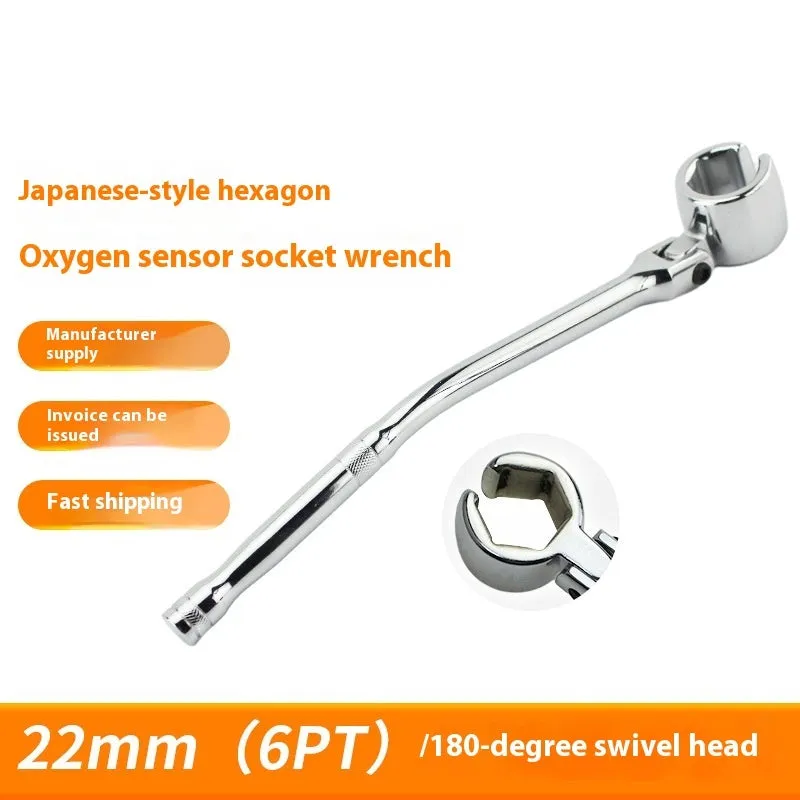
Oxygen sensor removal tool round sleeve hexagonal 22mm oxygen sensor wrench dismantlement tool with 270mm total length made from chromium vanadium steel bright chrome finish for automotive repair and maintenance


Oxygen sensor removal tool round sleeve hexagonal 22mm oxygen sensor wrench dismantlement tool with 270mm total length made from chromium vanadium steel bright chrome finish for automotive repair and maintenance
22mm Hexagonal Oxygen Sensor Removal Tool: 270mm Chromium Vanadium Steel Automotive Wrench
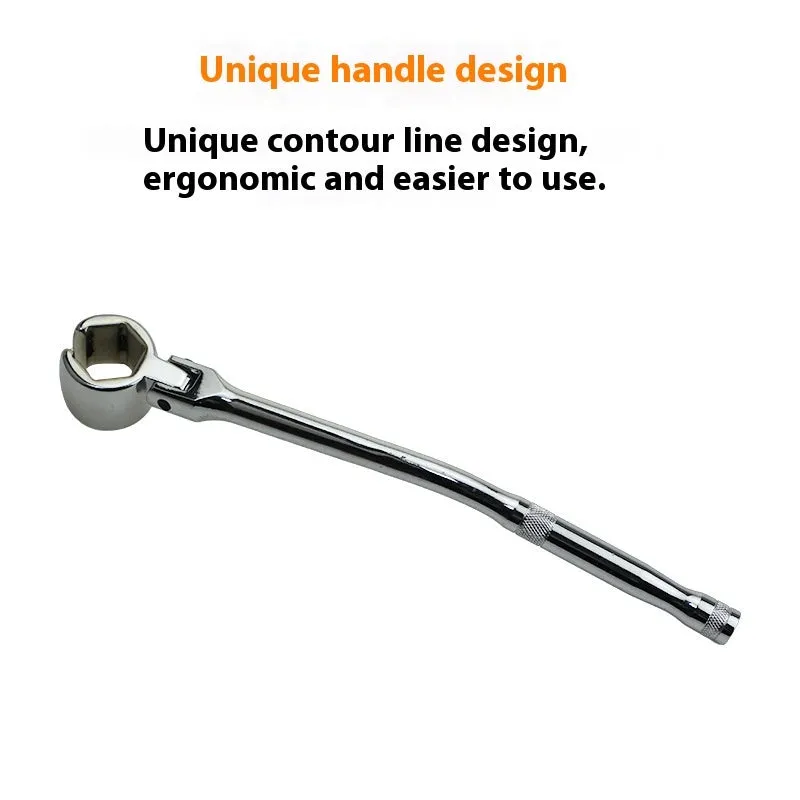
Tackling a seized or inaccessible oxygen sensor is a frequent challenge in automotive repair, often requiring a tool with a specific profile to fit the sensor's housing. This oxygen sensor removal tool addresses that need directly with its dedicated 22mm hexagonal sleeve, designed to engage the standard hexagonal flats found on many oxygen sensors. Its 270mm total length provides a practical lever arm to apply the necessary torque, while the chromium vanadium steel construction forms a solid, reliable tool body. The bright chrome finish adds a layer of defence against the corrosive elements common in workshop environments, making this a focused solution for a common mechanical task.
Features and Construction
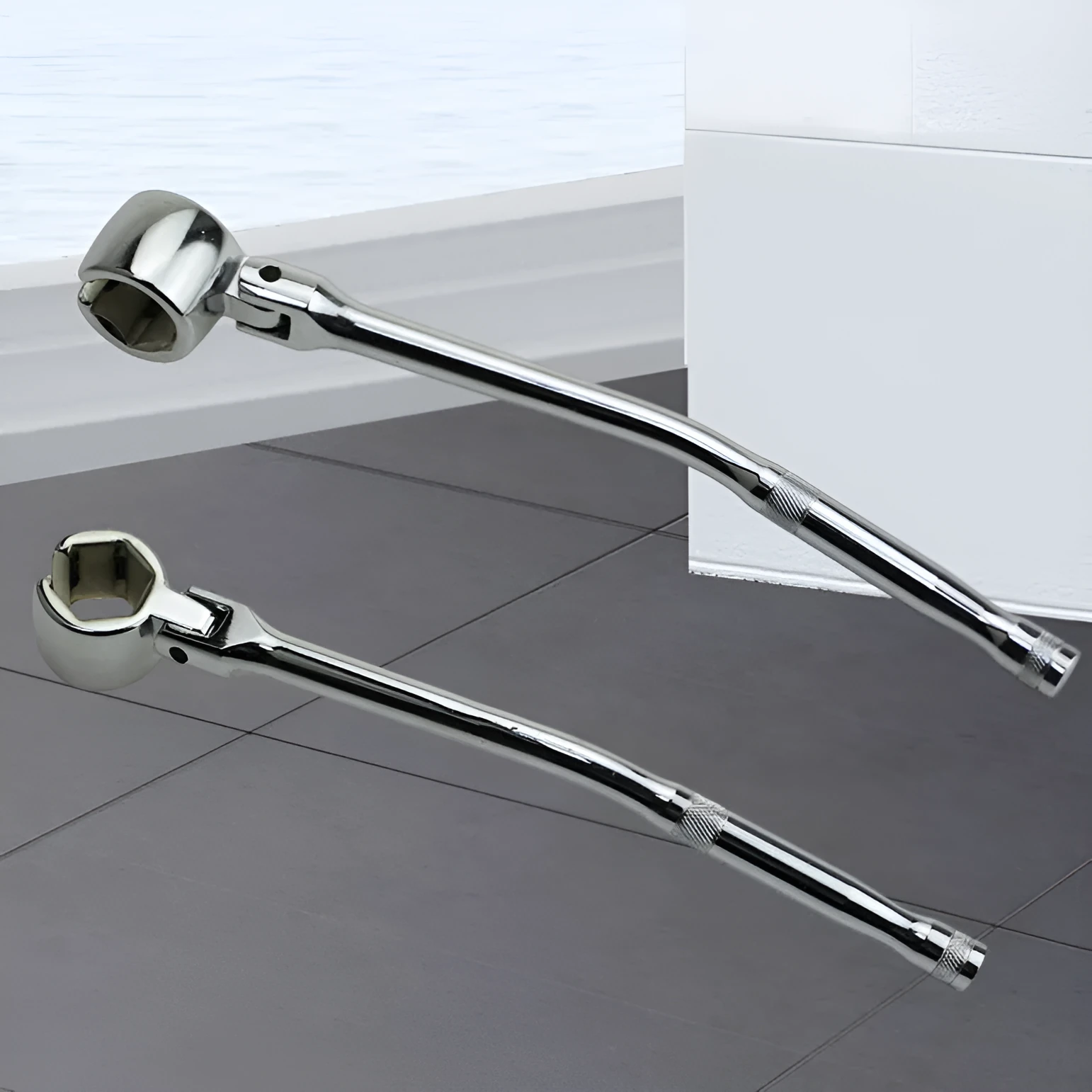
This tool is defined by its specific design and material composition, tailored for a single, well-defined purpose in vehicle maintenance.
Material and Build
The tool body is made from chromium vanadium steel, an alloy frequently chosen for hand tools due to its favourable combination of strength and shock resistance. The manufacturing process is head pouring, which results in a single, integrated piece for the main sleeve and drive end, eliminating potential weak points from assembly. An overall bright chrome plating has been applied to the surface. This finish provides a barrier against moisture and oxidation, helping to maintain the tool's appearance and function over time in a typical garage setting where it may be exposed to humidity and incidental fluids.
Size and Practical Fit
The core functional specification is the 22mm hexagonal opposite edge profile of the round sleeve. This dimension is engineered to match the standard hexagonal housing of many common oxygen sensors, ensuring a secure grip that helps distribute force evenly and reduces the risk of rounding off the sensor's corners—a common problem when using ill-fitting tools. The 270mm total length is a practical consideration; it is long enough to allow for effective leverage when combined with a ratchet or breaker bar, facilitating the removal of sensors that are tightly fixed or corroded in place, without being excessively cumbersome in confined engine bay or underbody spaces.
Uses and Placement

This tool's application is specialised, centred on automotive systems, but its use spans both professional and enthusiastic DIY contexts.
Event or Professional Use
For professional mechanics and technicians in workshops, this tool serves as a dedicated item within a broader set of oxygen sensor service tools. Its specific 22mm fit allows for quick selection, saving time when diagnosing or replacing faulty lambda sensors as part of emissions system repairs, MOT preparations, or general servicing. Having a tool that correctly engages the sensor can prevent job delays caused by damaged sensor housings, supporting efficient workflow in a commercial garage environment where time and correct procedure are important.
Everyday Home Use
For the home mechanic or car enthusiast undertaking their own maintenance, this tool provides a targeted solution for a task that can otherwise be frustrating. When a check engine light points to a failing oxygen sensor, or during exhaust system work, this wrench offers a straightforward way to attempt removal without needing an entire set of specialised sockets. Its single-unit design means there is no setup or assembly required, making it a simple, grab-and-go option for weekend projects, potentially avoiding a trip to the garage for what might be a straightforward sensor swap.
Benefits and Buying Value

The value of this tool lies in its specificity, durability, and the practical problem it solves within its defined scope.
Reuse and Low Maintenance
As a solid steel tool designed for mechanical applications, it is inherently reusable. There are no consumable parts or complex mechanisms that can wear out from normal use. The bright chrome finish, while primarily for corrosion resistance, also makes the tool easy to wipe clean of grease and dirt after use, supporting its longevity. Simple storage in a toolbox or cabinet is all that is required to keep it ready for the next time an oxygen sensor needs attention, whether on the same vehicle or another.
Why Choose This Product
Choosing this product is a decision based on needing the right tool for a specific job. Its primary advantage is the precise 22mm hexagonal fit, which directly addresses the design of common oxygen sensors. The chromium vanadium steel construction suggests a robust build suitable for applying significant torque, while the 270mm length is a practical dimension that aids in that process. For anyone facing the prospect of removing an oxygen sensor, this tool presents a focused alternative to improvised methods or more expensive, comprehensive socket sets, offering a clear functional purpose backed by its stated specifications.