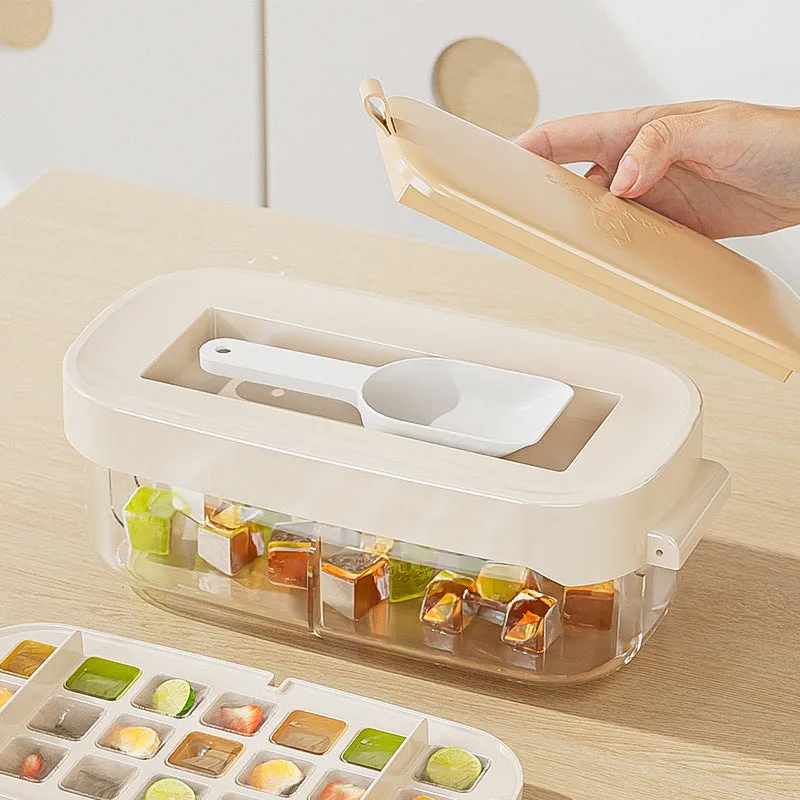
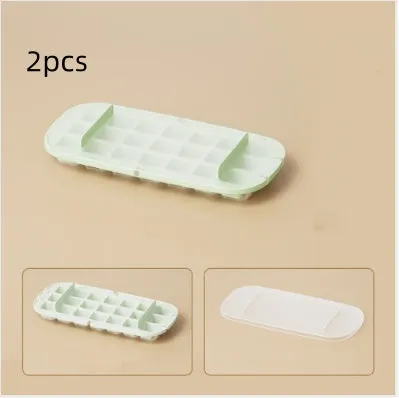
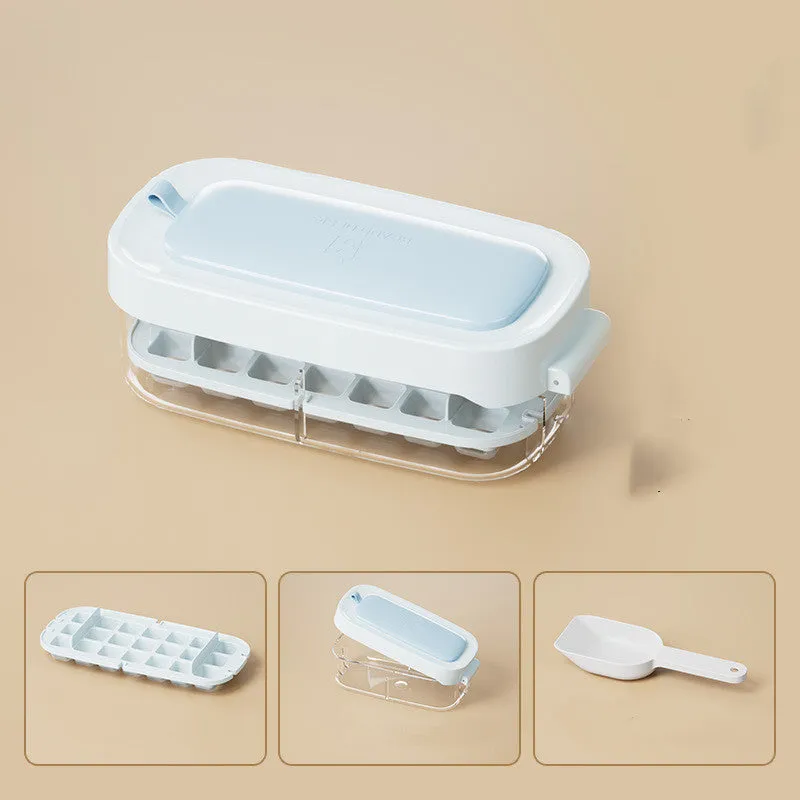
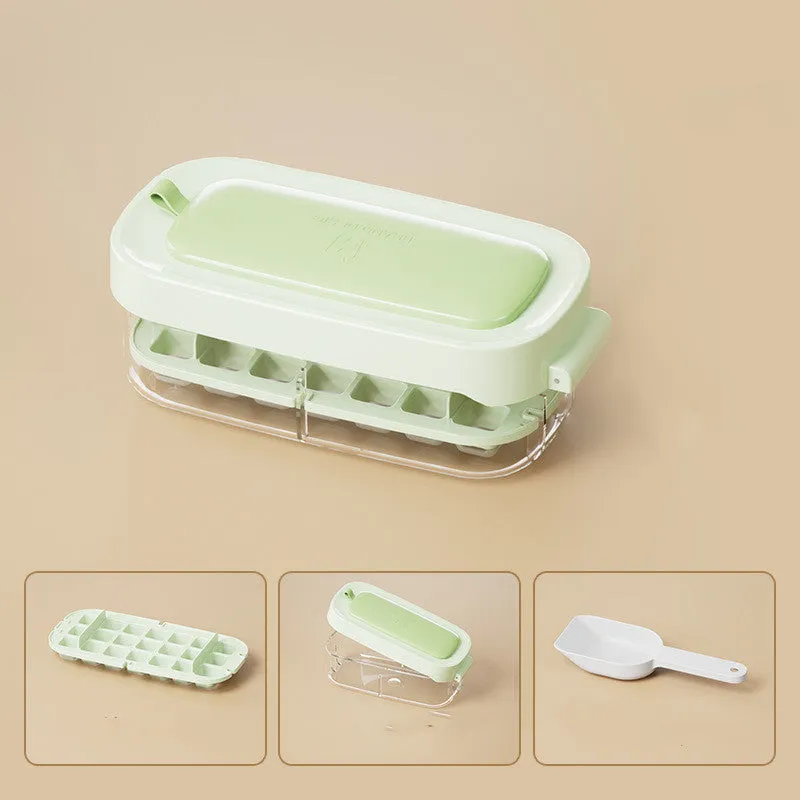
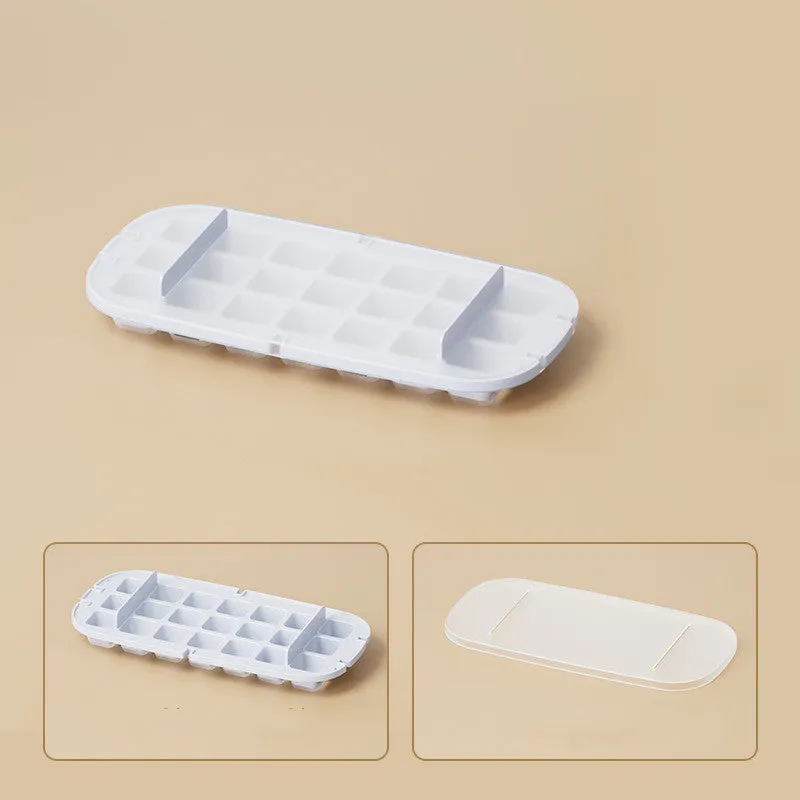
Ice cube tray grid kitchen gadget with high capacity, made from food-grade PP, PET, and TPE materials, designed for quick freezing and easy demolding, includes integrated ice shovel storage, available in blue, green, purple, or yellow colours.


Ice cube tray grid kitchen gadget with high capacity, made from food-grade PP, PET, and TPE materials, designed for quick freezing and easy demolding, includes integrated ice shovel storage, available in blue, green, purple, or yellow colours.
High-Capacity Food-Grade Ice Cube Tray Grid with Integrated Shovel Storage

This kitchen gadget is designed specifically for users who need to produce a larger volume of ice efficiently. The high-capacity ice cube tray grid, constructed from food-safe materials, incorporates a practical leverage mechanism to simplify the filling process, making it more relaxed and effortless. A key organisational feature is the included dedicated storage slot for the ice shovel, preventing it from being misplaced. Available in a selection of vibrant colours, this product focuses on the core functions of quick freezing and easy demolding to deliver consistent results.
Features and Construction
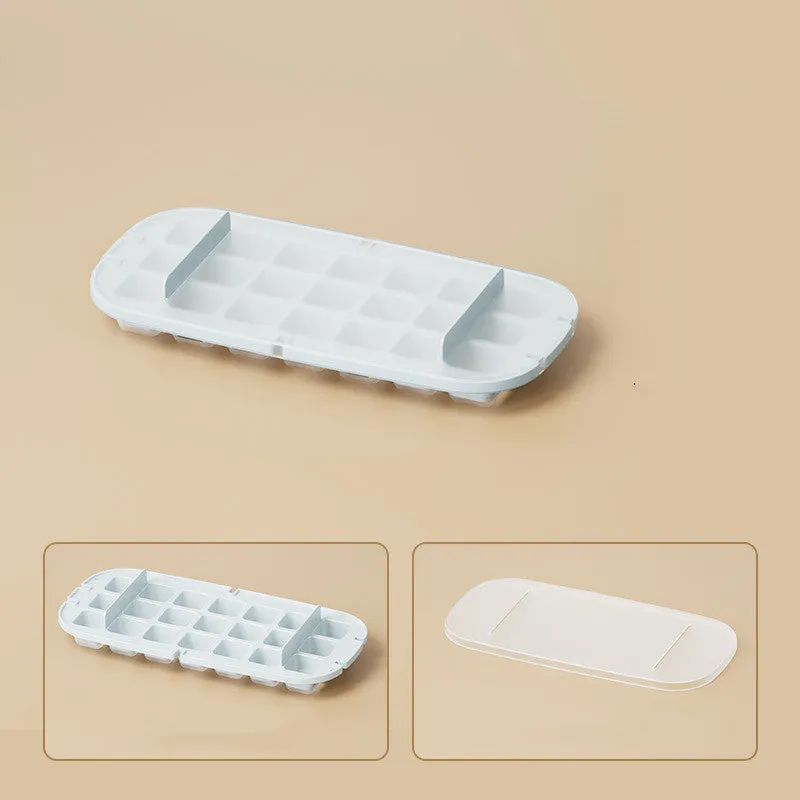
The design of this ice cube tray grid centres on practical functionality and safe materials. It is built to be a reliable tool for everyday kitchen use, focusing on ease of operation and hygiene.
Material and Build
The tray is manufactured from a combination of three food-grade plastics: PP (Polypropylene), PET (Polyethylene Terephthalate), and TPE (Thermoplastic Elastomer). PP provides structural rigidity, PET may contribute clarity and strength, while TPE adds a degree of flexibility which can aid in the demolding process, helping ice cubes release cleanly. This material composition is stated to meet qualified product standards, indicating it is suitable for food contact applications.
Size and Practical Fit
While specific dimensions are not detailed, the product is described as a 'high-capacity' ice cube tray grid. This suggests it is sized to hold a substantial volume of water to produce more ice cubes per batch than a standard tray, making it suitable for events, gatherings, or households with higher ice consumption. The inclusion of a leverage principle in its design helps manage this larger capacity by making the filled tray easier to lift and handle.
Uses and Placement

This product serves a clear purpose in both domestic and casual entertaining settings. Its design addresses the common need for readily available ice without frequent refilling of smaller trays.
Event or Professional Use
For hosting parties, barbecues, or other events where drink serving is involved, this high-capacity tray reduces the frequency of ice preparation. The ability to produce a larger batch at once means less time spent at the freezer and more ice on hand for guests. The quick-freezing function aims to have ice ready sooner, which is valuable when demand spikes unexpectedly.
Everyday Home Use
In daily kitchen use, it simplifies the routine task of making ice. The leverage design and easy demolding function make the process less fiddly, especially when the tray is full and heavy. The integrated storage for the shovel keeps the accessory neatly contained, avoiding clutter in the freezer drawer or the risk of losing it among other items.
Benefits and Buying Value
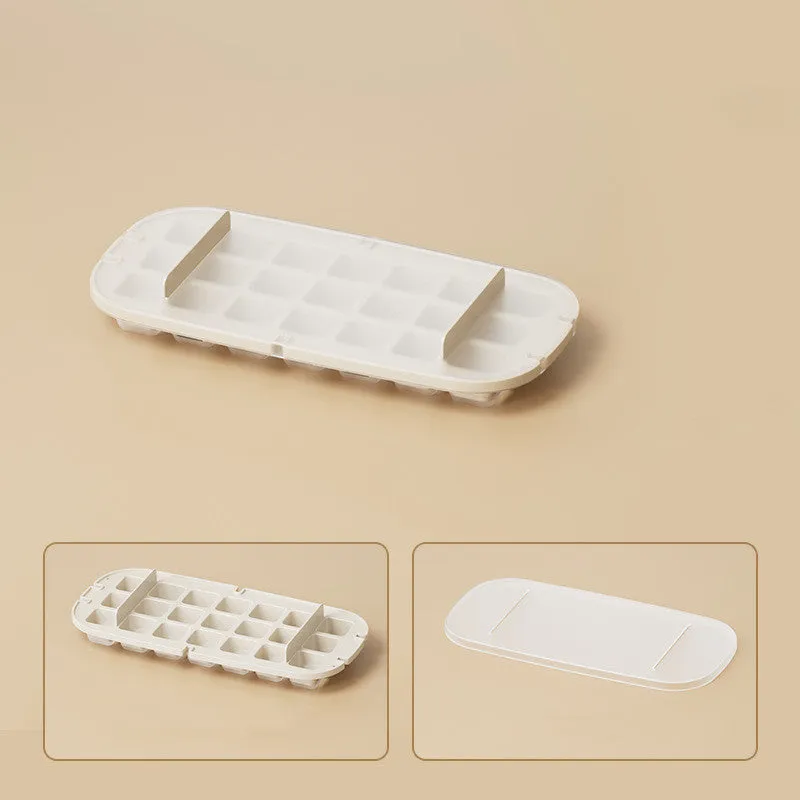
The value of this ice cube tray lies in its focused design, material safety, and thoughtful details that enhance convenience over basic alternatives.
Reuse and Low Maintenance
Constructed from durable plastics, the tray is built for repeated use. The food-grade materials ensure it can be used safely over time. Maintenance is straightforward; it can be cleaned with mild soap and water. The design, with no complex mechanical parts, means there is little that can wear out or break under normal use, contributing to a longer functional life.
Why Choose This Product
Choosing this ice cube tray grid is a decision for practicality over novelty. Its primary advantages are the increased ice production capacity, the ergonomic leverage feature for easier handling, and the clever inclusion of on-tray shovel storage. For buyers comparing options, these concrete, source-supported features—food-grade materials, high capacity, quick-freezing design, and organisational storage—provide clear points of differentiation from simpler, lower-capacity trays that lack these integrated solutions.