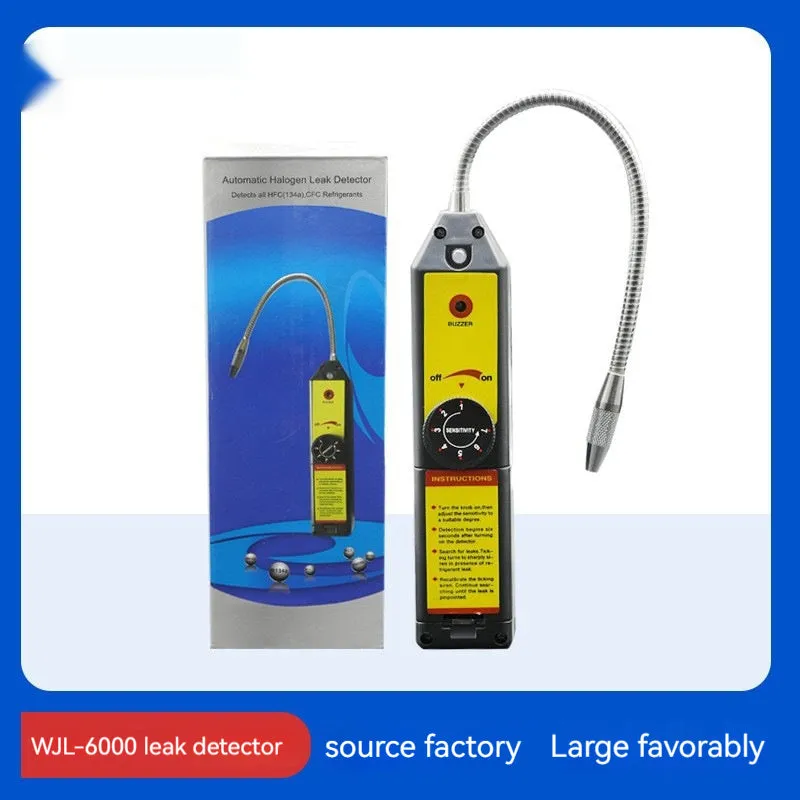
WJL-6000 Halogen Air Tightness Electronic Car Leak Detector, Automotive Air Conditioning System Refrigerant Leak Detection Tool with 20cm Probe and 50-Hour Battery Life


WJL-6000 Halogen Air Tightness Electronic Car Leak Detector, Automotive Air Conditioning System Refrigerant Leak Detection Tool with 20cm Probe and 50-Hour Battery Life
WJL-6000 Halogen Leak Detector: Professional-Grade Refrigerant Leak Detection Tool
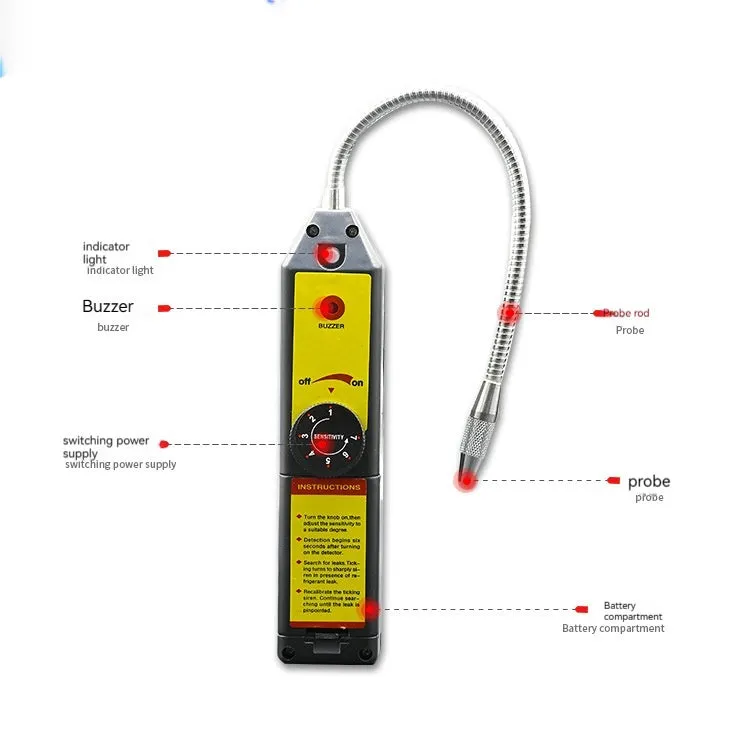
The WJL-6000 Halogen Air Tightness Electronic Leak Detector is a focused diagnostic instrument designed for identifying refrigerant leaks in automotive air conditioning systems and other pressurised circuits that use halogen-based refrigerants. Its primary function is to provide mechanics, technicians, and skilled DIY users with a reliable method for pinpointing the source of a leak, which is a critical step in efficient system repair and maintenance. By offering instant response and operation across a practical temperature range, this tool streamlines the diagnostic process, helping to reduce vehicle downtime and ensure systems are sealed correctly.
Features and Construction

The WJL-6000 is built around its core sensing technology, calibrated specifically for halogen refrigerants. Its construction prioritises functionality and durability for workshop use, housed in a compact body that facilitates easy handling during inspections.
Material and Build
The detector is constructed from electronic components and housing materials chosen for their suitability in an automotive workshop setting. The build focuses on withstanding the environmental conditions typical of such spaces. The inclusion of a dedicated storage bag helps protect the unit from dust and minor impacts when not in active use, contributing to its operational longevity.
Size and Practical Fit
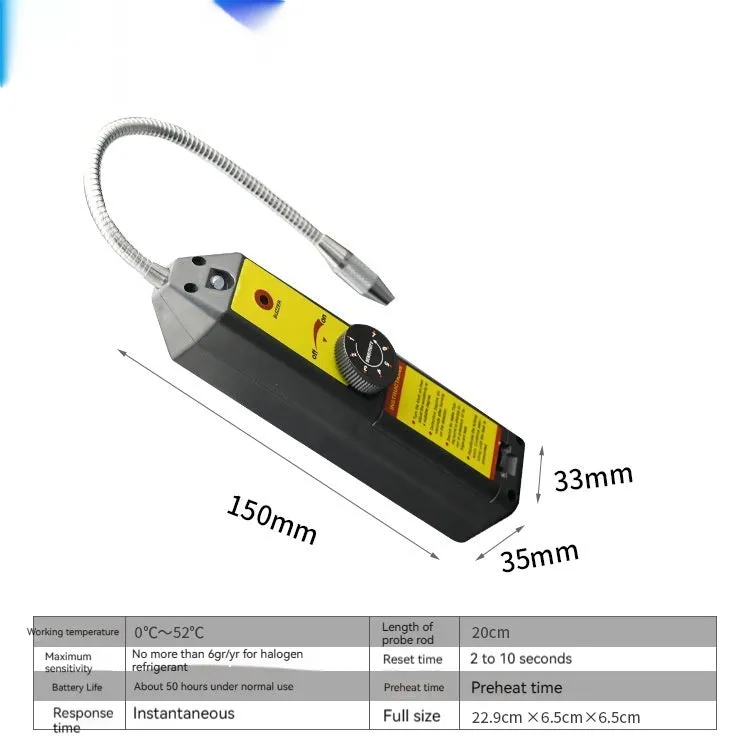
With overall dimensions of 22.9cm in length, 6.5cm in width, and 6.5cm in depth, the detector has a compact form factor that fits comfortably in a tool chest or on a workbench. The 20cm probe is a key feature, extending from the main body to allow the sensor to be positioned accurately around condensers, hoses, fittings, and other components that are often tucked away in an engine bay or behind panels, making inspections more thorough and less cumbersome.
Uses and Placement
This tool has a clear application in professional and serious amateur automotive repair, but its utility extends to any scenario where pressurised systems using halogen refrigerants require integrity checking.
Event or Professional Use
In a professional automotive workshop, the WJL-6000 serves as a standard piece of diagnostic equipment for air conditioning system repairs. Its ability to detect leaks as small as 6 grams per year supports compliance with environmental regulations regarding refrigerant containment. The instant response time means technicians can quickly sweep the probe over suspected areas, receiving immediate auditory or visual feedback to confirm a leak's location, which is essential for maintaining workflow efficiency.
Everyday Home Use
For the knowledgeable home mechanic undertaking their own vehicle maintenance or repairing household appliances that use similar refrigerants, this detector offers a way to diagnose air conditioning failures accurately. Identifying the exact leak point prevents the unnecessary replacement of expensive components like condensers or compressors if the fault lies merely in a seal or connection. The 50-hour battery life supports intermittent use over many projects without frequent recharging or battery replacement.
Benefits and Buying Value
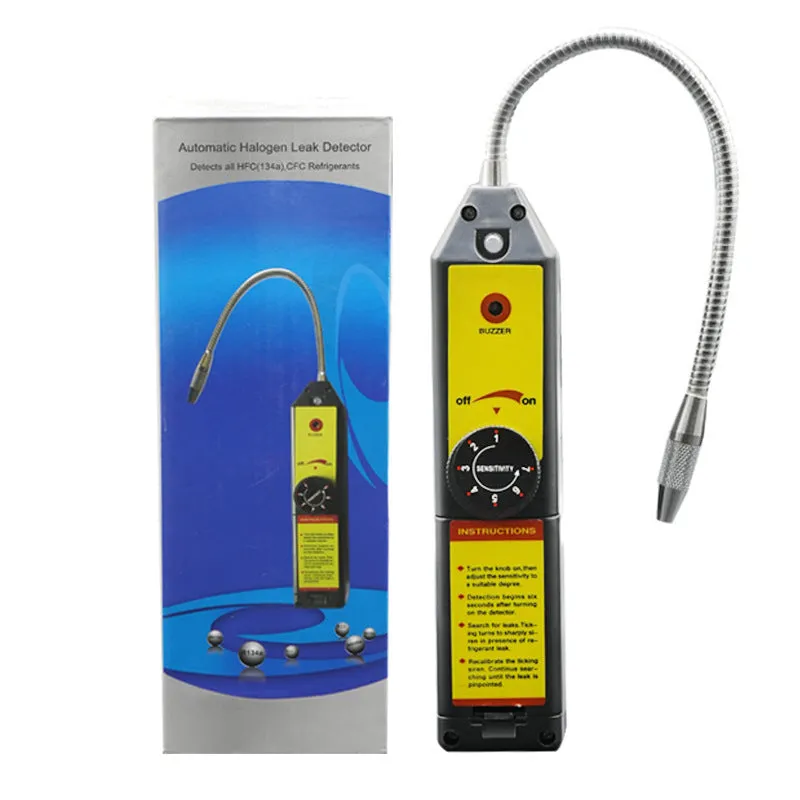
The value of the WJL-6000 lies in its specific function and the practical advantages it brings to the task of leak detection, centred on reliability and ease of use rather than superfluous features.
Reuse and Low Maintenance
The product is designed for repeated use across multiple jobs and vehicles. The long battery life minimises downtime for charging, and the simple operational parameters—requiring no complex calibration for basic use—mean it can be picked up and used whenever needed. Basic care, such as storing it in the supplied bag, helps maintain the probe's sensitivity and the unit's general condition.
Why Choose This Product
Choosing the WJL-6000 is a decision based on its specified performance metrics. Its sensitivity rating for halogen refrigerants, combined with the extended 20cm probe and wide 0–52 °C operating temperature, makes it a practical tool for real-world conditions. It provides a concrete solution for a specific diagnostic problem, avoiding the uncertainty of less sensitive methods like soapy water tests. For anyone regularly working on automotive air conditioning, it represents a direct route to faster, more reliable leak identification.